Is Your Roof Ready for Brisbane Northside Storm Season?
Every year, Brisbane's northside braces for severe thunderstorms, damaging winds, torrential rain and hail. Storm season typically runs from October through to March, and suburbs from Chermside, Aspley and Strathpine to Kedron, Nundah, Albany Creek and the Moreton Bay region regularly experience intense weather during this period. Your roof is the first line of defence for your home and everything inside it. Checking it before the first big storm arrives is one of the smartest and most cost-effective things a homeowner can do.
Why Brisbane Northside Roofs Face Unique Storm Risks
South East Queensland's climate puts roofing materials under constant stress. Intense summer UV exposure, high humidity, rapid temperature swings and sudden downpours all contribute to gradual wear. When a severe storm cell rolls in from the west or south-west, as many do across the northside, it can deliver wind gusts well over 90 km/h, hail and several dozen millimetres of rain in under an hour.
Many northside homes were built decades ago. Established suburbs have a mix of older tile roofs, post-war metal roofing and newer builds, and each type ages differently. Tree-lined streets in areas such as Everton Park, Ferny Hills and Bridgeman Downs also add the risk of falling branches and heavy leaf litter that blocks gutters.
Know Your Roof Type and Its Weak Points
Concrete and Terracotta Tile Roofs
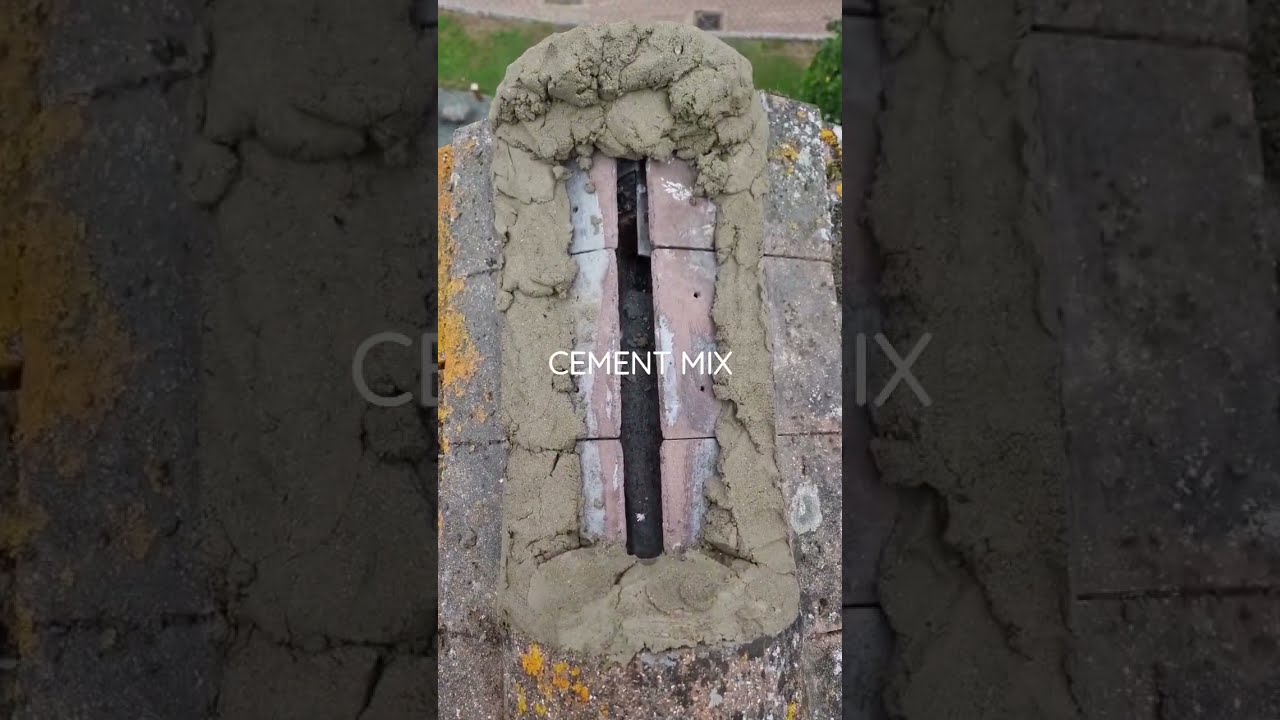
Tile roofs are durable, but they rely on bedding and pointing compounds at the ridge capping, and on clips and fasteners to hold tiles in place. Over time, the mortar can crack and crumble, and tiles can slip or crack. In high winds, loose ridge caps are among the first components to fail. Look for broken or displaced tiles, cracked pointing and moss or lichen growth, which can trap moisture.
Colorbond and Metal Roofs
Metal roofing performs well in storms when properly fixed, but problems arise from loose or corroded screws, lifted sheets, deteriorated flashings and rust around edges or penetrations. Older roofs fixed with nails or early-generation fasteners can be more vulnerable. Check for rust spots, lifting at the edges and gaps around vents, skylights and flues.
Flashings, Valleys and Penetrations
Regardless of the material, leaks most commonly start at flashings, valley gutters, chimneys, skylights and roof penetrations. These areas are where water is directed, and where sealant and metal deteriorate first. They deserve close attention during any pre-storm inspection.
Pre-Storm Roof Checklist for Brisbane Northside Homeowners
A methodical check can reveal problems early. Always prioritise safety: if you are not comfortable working at heights, inspect from the ground with binoculars or engage a qualified roofing professional rather than climbing onto the roof yourself.
- Loose, cracked or missing tiles and sheets: Even small gaps allow wind to get underneath and water to enter.
- Ridge capping and pointing: Look for cracked mortar, shifted caps and exposed bedding.
- Gutters and downpipes: Clear leaves, debris and silt so water can drain quickly and not overflow into the roof cavity or fascia.
- Rust and corrosion: Check metal roofing, gutters, fasteners and flashings for signs of deterioration.
- Flashings and sealants: Look for gaps, lifting, or dried and cracked sealant around penetrations.
- Ceiling stains and damp patches: Inside the house, discolouration, peeling paint or musty smells can signal an existing leak.
- Overhanging trees: Trim branches that could fall onto the roof during strong winds.
- Solar panels and antennas: Confirm mounts and fixings are secure.
Gutters: The Overlooked Storm Defence
Blocked gutters are one of the most common https://roofrestorationbrisbanenorthside.com.au/about/ causes of storm-related water damage. During heavy rain, clogged gutters overflow, and water can back up under roofing materials, damage fascia boards and soak eaves. Brisbane's leafy northside suburbs are especially prone to this. Cleaning gutters before the season begins, and again after major storms, helps water flow freely. Consider gutter guards if your property is surrounded by trees, but remember they still require periodic maintenance.
Understanding Your Insurance and Compliance Position
Insurers generally cover sudden storm damage, but they typically do not cover damage resulting from poor maintenance, wear and tear or neglect. That is why keeping records of inspections, repairs and maintenance is valuable. Photographs of your roof's condition before storm season can also help support a claim if damage occurs.
Queensland's building standards require roofing work to meet wind-load and fixing requirements appropriate to the region's cyclone and storm classifications. When roof repairs or replacements are carried out, they should be completed by a licensed contractor registered with the Queensland Building and Construction Commission (QBCC). Using a licensed professional helps ensure work meets current standards and comes with statutory warranty protections.
Signs It's Time to Call a Professional
Some issues are beyond simple DIY maintenance. A professional roof inspection is recommended if you notice any of the following:
- Water stains or dripping inside the ceiling after rain.
- Visibly sagging sections, lifted sheets or displaced tiles.
- Widespread rust or corrosion on metal roofing.
- Cracked or crumbling ridge capping and pointing.
- A roof that is more than 20 to 25 years old and has never had a thorough inspection.
- Hail or wind damage from a previous storm that has not been assessed.
A qualified roofer can identify hidden problems such as failing fasteners, damaged sarking, deteriorated flashings and early-stage leaks that are difficult to detect from the ground. Many roofing contractors now use drone inspections and photographic reporting to document roof condition safely and clearly, which can be useful for both repair planning and insurance purposes.
Repair, Restore or Replace?
Not every roof needs replacing. Minor issues such as a few broken tiles, resealing flashings or re-bedding and re-pointing ridge capping are often affordable fixes that significantly improve storm resilience. Roof restoration, which can include cleaning, repairs and a fresh protective coating, can extend the life of a sound roof. However, when the structure is compromised, sheets are heavily corroded or tiles are brittle and failing, replacement may be the more economical long-term solution.
When replacing a roof, ask your contractor about storm-rated fixing, upgraded sarking and insulation, and materials designed to cope with Queensland's heat and severe weather. Investing in quality materials and correct installation pays off when the next severe storm arrives.
What to Do During and After a Storm
If a storm hits, stay indoors and away from windows. Do not go onto the roof during or immediately after severe weather. Once conditions are safe, check for visible damage from the ground, take photographs, and contact your insurer promptly. For urgent leaks, a licensed roofer can install temporary protection such as tarping to prevent further damage until permanent repairs are completed. Be cautious of unlicensed operators who door-knock after storms, as demand for repairs often attracts unqualified tradespeople.
Get Ahead of the Season
Storm season on Brisbane's northside is predictable, which means preparation is entirely within your control. A pre-season roof inspection, gutter clean and a few targeted repairs cost far less than dealing with ceiling collapses, water-damaged interiors and insurance disputes after the fact. Booking a professional roof check early in the season, before contractors become fully booked in the wake of major storms, gives you peace of mind and helps keep your family and property protected through 2026 and into 2027.
If you are unsure about the condition of your roof, speak with a licensed local roofing specialist who understands northside conditions and can provide a clear assessment and honest recommendations. Acting now is the best way to ensure your roof is ready when the next storm rolls in.
Brisbane Northside Roof Restoration
Unit 3/3 Harvton St, Stafford QLD 4053
(07) 3130 0990